


The 2026 maize season is getting underway with wet grain prices 40–50% higher than last year, but this comparison must take into account moisture content, drying costs and the situation on European exchanges. Below, we present the state of the harvest at the start of October, the factors influencing prices and the terms of maize procurement at IMA Polska.
Table of Contents
How is the maize harvest getting off to a start in Poland?
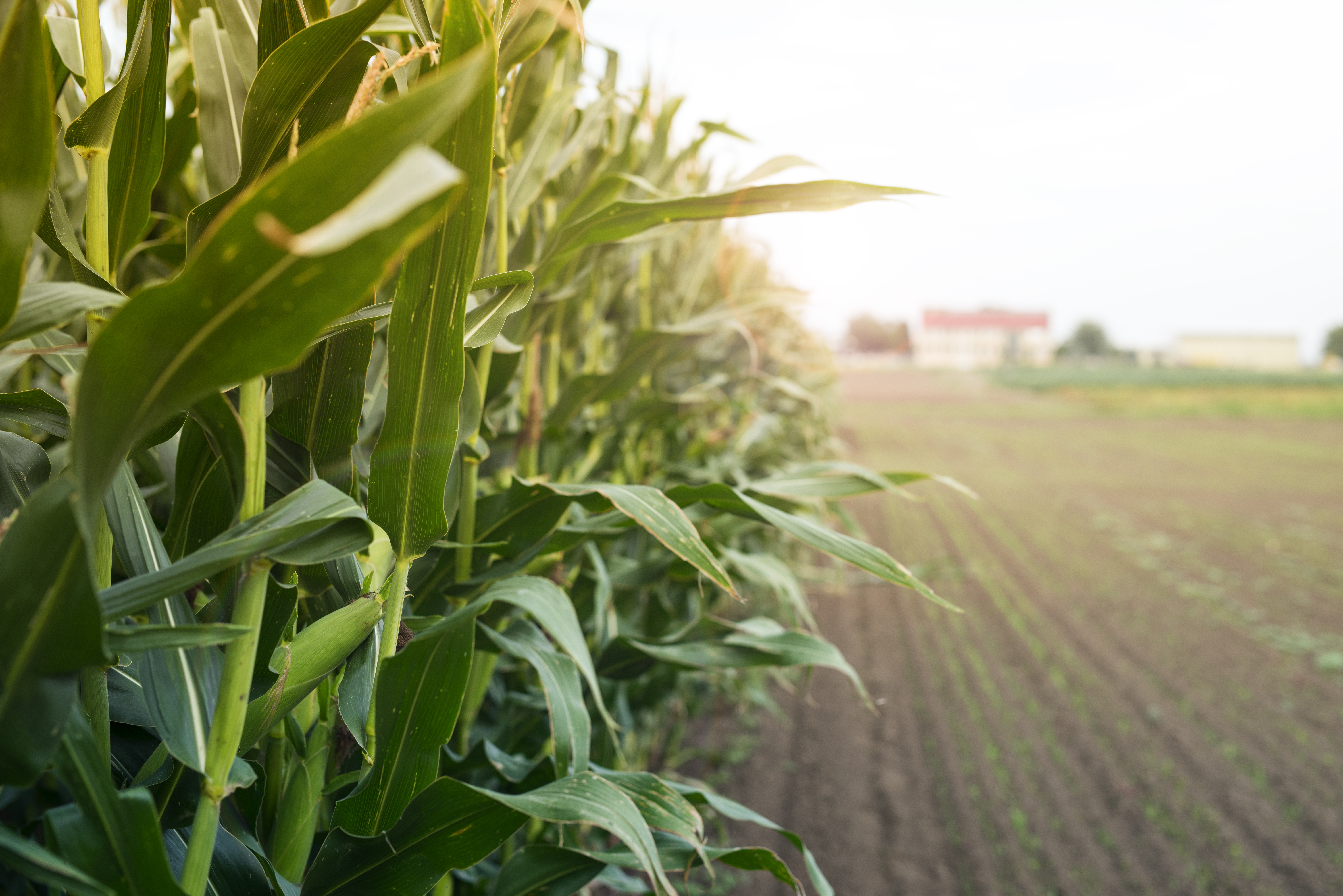
In the south and west of the country The grain maize harvest has started earlier than usual than last year. In the Opole Voivodeship, approximately 30% of the area had been harvested by the end of September, although with significantly lower dry grain yields – an average of 6.3 t/ha compared with 10.0 t/ha in the corresponding period of 2025. (data: Sparks Polska, 29 September 2026). The main harvest nationwide is expected to take place after 10 October.
Weather conditions at the turn of September and October are conducive to the natural drying of the grain – Sunny, warm days help to reduce the moisture content of maize in the field, which directly translates into lower drying costs. The moisture content of the kernels in the south of the country currently stands at 26–31%, whilst in the northern regions it is 35–40%.
The 2026 season differs from last year’s primarily in terms of the prevailing weather conditions. In 2025, frequent rainfall from September to November made it difficult for combine harvesters to access the fields, raised the grain moisture content above 35–40% and drastically increased the costs of drying. This year, farmers have benefited from a spell of good weather, which is enabling a more efficient harvest – although regional variations in yields remain very significant.
How much does maize cost at the start of the 2026 harvest?
At the beginning of October 2026, maize prices at Polish purchasing centres are as follows:
- Dried maize (moisture content up to 14.5%): 900–1,000 PLN/t
- Wet maize (approx. 30% moisture content): 590–660 PLN/t
This represents a marked change compared with autumn 2025, when wet maize cost 380–430 PLN/t and dry maize 650–715 PLN/t. The year-on-year increase in wet maize prices ranges from 40 to 50%.
| Type | Moisture | Net price | Description |
| Dry maize | 14,5% | 1,000 PLN | Impurities max. 10%, we do not accept sleeve-dried maize |
| Wet maize | 30,0% | 650 PLN | Deductions +/-8PLN ton-percent, surcharge for 25% |
Why have maize prices risen compared with 2025?
The year-on-year rise in maize prices in Poland of 40–50% is not due to a single factor. Below are the three main reasons:
The manufacturing crisis in France and the EU
France – the European Union’s largest maize producer – is heading for one of its poorest harvests since 1980. Heatwaves during the maize pollination period and a reduction in the area under maize in favour of oilseeds have lowered the forecast for the French harvest to around 7.6 million tonnes, compared with 13.9 million tonnes in 2025. – a fall of almost 45%.
Total maize production in the EU-27 is estimated at around 48.6 million tonnes, compared with 56.5 million tonnes in 2025 – a fall of 14%. This shortfall is shifting demand towards Central European markets, including Poland.
Reaction on the European stock markets
The Euronext (MATIF) maize contract for November delivery stood at 266.75 EUR/t at the end of September 2026. The premium of European maize over US maize (CBOT, December contract: approx. 497 cents per bushel, i.e. ~€186/t) widened to almost €80/t – a level comparable to the record highs of 2022. The weak zloty against the euro is further supporting domestic prices quoted in PLN.
Limited domestic supply of cereals
The domestic cereals market is entering the maize season with a reduced supply. The Central Statistical Office (GUS) has estimated the total cereal harvest in Poland in 2026 at 35.5 million tonnes – a fall of approximately 5% compared with 2025. Many mills and feed manufacturers are operating on existing stocks; the new maize crop is expected to fill this gap, which is driving up prices right from the start of the campaign.
A year ago, the situation was different. Poland recorded a record maize grain harvest – around 10.5 million tonnes (GUS, 2025) – although a large proportion of the grain was wet and difficult to sell at profitable prices. Oversupply and moisture content above 35% pushed prices for wet maize down to 380–430 PLN/t.
What yields are we expecting in 2026, and what is the area under cultivation?
According to the COCERAL forecast of 22 September 2026, the area under grain maize in Poland is approximately 1,270,000 ha (compared with 1,295,000 ha in 2025), and estimated production stands at 9.2 million tonnes, with an average yield of 72.5 dt/ha.
However, actual yields in the field differ from the national average and show significant regional variation.
What is the situation like in the various regions?
| Region | Yield assessment | Grain moisture content | Comments |
| The Opole region | Poor – average 6.3 t/ha of dry matter (compared with 10.0 t/ha in 2025) | 26–31% | Advanced harvesting; drought during the growing season |
| The Lublin region | Below expectations | – | Water shortages and heatwaves have reduced pollination; lower maize cob yield |
| Lesser Poland, Silesia | Good to very good | – | High biomass, well-filled cobs; one of the best years |
| Greater Poland | Varied | – | Local variations, even between neighbouring farms |
| Pomerania, Kuyavian-Pomeranian Voivodeship | The initial phase of the harvest | 35–40% | Wet grain, the harvest is underway; purchasing firms are active |
Sources: Sparks Polska, 29 September 2026; cenyrolnicze.pl, 5 October 2026.
„We are pleasantly surprised by the moisture content of the grain from the first deliveries. It is lower than we had anticipated, and we rate the quality of the grain at the start of the campaign as very good. This is excellent news for both farmers and our production.”
What is the situation on the international markets?
Europe: The maize deficit in the EU is mainly due to a drastic fall in production in France (forecast: 7.6 million tonnes, −45% year-on-year), but also from poorer harvests in Germany (4.0 million tonnes, −20%) and Italy (4.2 million tonnes, −12%). Romania and Bulgaria are partially offsetting these losses – Romanian maize production is estimated at 7.7 million tonnes, compared with 6.0 million tonnes in 2025. The feed sector is switching to wheat and barley as energy substitutes.
Ukraine: The maize harvest is forecast at around 32 million tonnes – stable compared with 2025 (32.8 million tonnes). Ukraine remains a key exporter, although maritime logistics continue to be hampered by higher insurance costs.
USA: The US harvest is progressing faster than last year. Maize stocks as at 1 September 2026 stood at 2.095 billion bushels – 35% more than a year earlier (USDA). The CBOT December contract is trading at around 497 cents per bushel (approx. 186 EUR/t), which represents a significant discount to European prices. Lower US export commitments (−31% y/y) are easing demand pressure on the US market.
This divergence in transatlantic prices – a Euronext premium over CBOT of up to 80 EUR/t – reflects the scale of the European shortfall and makes maize imports from South America and the Black Sea region economically viable, which in turn sets a ceiling on further price rises in Europe.
What is IMA Polska offering maize suppliers this season?
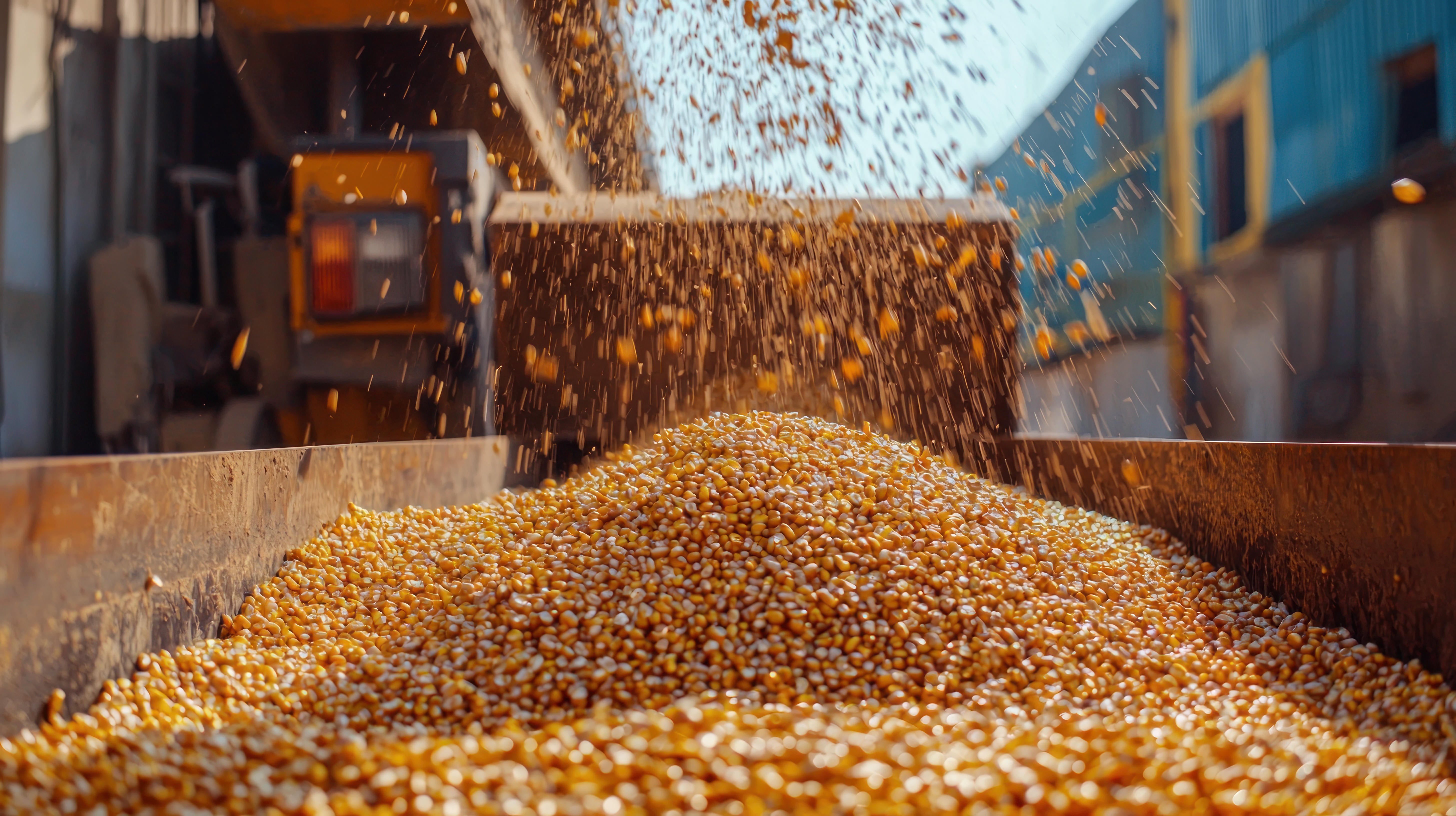
IMA Polska runs a year-round purchase of wet and dry maize at the distillery in Murowana Goślina near Poznań. A distillery processing grain into bioethanol, agricultural distillate i ethyl alcohol for food use It ensures a stable, off-season demand for the raw material – regardless of conditions in the feed market.
For maize suppliers, this brings a number of specific benefits:
- Collection of wet maize – without the farmer having to invest in drying facilities. Maximum moisture content accepted: 35% for wet grain, 14.5% for dry grain.
- Testing each batch using an NIR analyser – moisture, starch, protein, fat. A transparent breakdown of quality parameters.
- Efficient unloading and prompt payments – logistics tailored to the peak of the campaign.
- The option to arrange transport directly from the field to the plant.
Contact us regarding purchase terms: Błażej Wojciechowski, tel. +48 607 097 333.
Given the rising maize prices and increased activity among purchasing companies in Greater Poland, it is advisable to contact the sales department before delivery to agree on the specifications and delivery date – particularly at the height of the harvest season, when queues may become longer.
IMA’s estimated maize requirements for the 2026/27 season amount to approximately 60,000 tonnes
Summary – what next for prices and the campaign?
The 2026 maize season in Poland is getting underway under conditions that are significantly more favourable for producers than last year. Prices for wet maize, at 590–660 PLN/t, represent an increase of 40–50% compared with autumn 2025. Favourable weather conditions allow the grain to dry naturally, thereby reducing drying costs. At the same time, the maize deficit in the EU (−14% in production year-on-year) is keeping European prices at an elevated level, whilst the Euronext premium over CBOT stands at around 80 EUR/t.
Risk factors? First and foremost, the growing supply from the Polish harvest, which may put short-term pressure on prices in the second half of October. At the same time, the smooth progress of the harvest in the US and stable Ukrainian production are limiting the scope for further price rises on global markets.
For maize suppliers, this is the time to do the maths: comparing the prices of wet and dry grain, converted to dry matter, assessing drying costs based on current gas prices, and choosing a buyer who offers transparent settlement of the relevant parameters.
The season of high raw material supply is a good time to agree on the specifications and delivery schedule for ethanol from IMA Polska
FAQ
Is wet maize cheaper than dry maize in terms of starch content?
Not always. The price of wet maize (590–660 PLN/t at 30% moisture content) is lower in nominal terms, but once drying costs are added (250–300 PLN/t at current gas prices), the difference compared with dry maize (900–1,000 PLN/t) is significantly reduced. To make a fair comparison, both prices need to be converted to per tonne of dry matter and related to the starch content.
Why have maize prices in Poland risen compared with 2025?
The main reasons are: a production crisis in France (a fall in the harvest of almost 45%), a general maize deficit in the EU (production down by approx. 14% year-on-year), limited domestic grain supplies and a weak zloty supporting export prices. In 2025, record harvests in Poland, combined with high grain moisture content, put downward pressure on prices – in 2026, the situation reversed.
When is the peak in maize supply in Poland expected?
The main grain maize harvest in most regions of the country is expected to take place after 10 October 2026. The peak in deliveries to purchasing centres is likely to occur in the second half of October and November, when farmers will be clearing their stores ahead of winter. Prices may be subject to adjustment as supply increases.
What documents should be prepared before delivering maize to IMA Polska?
Before notifying us of a shipment to Murowana Goślina, it is advisable to provide the following details: the type of raw material (wet/dry), the estimated quantity and moisture content, the origin of the batch (for the purposes of raw material traceability within the bioethanol supply chain), the planned delivery date and any available test results.